
TRAVELS WITH GRESLEY IN THE TWENTY-FIRST CENTURY
The more senior of us will have nostalgic memories of pre- and early post-war summer days with the sun glinting on
trains of lovely varnished teak carriages hauled by apple green (and occasionally garter blue) engines. Those days
can of course never return but, two-thirds of a century after the demise of the LNER, the Severn Valley Railway
(SVR) endeavours to recreate similar such images for its visitors and enthusiasts. And this is not in a museum aspic
sense but in everyday regular working of our line's passenger services.
If you have not sampled the glorious delights of the beautiful Severn valley, its river, its scenery, interesting country
towns, the delightful walks and local inns, then do so soon. The cream on the cake is one of the major collections in
Britain of working ‘Gresleyana.’
 Visitors are rewarded by experiencing some of their journeys in the wonderful varnished teak
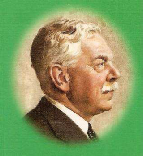
carriages designed by Sir Nigel Gresley, who was also the inspiration for charismatic locomotives
such as ‘MALLARD’ and ‘FLYING SCOTSMAN’. This is thanks to the Herculean efforts spanning
more than four decades of the LNER (SVR) Coach Fund. This pioneering work of the Fund has
more recently been continued by the LNER Carriage Group of the Severn Valley Railway
Charitable Trust.
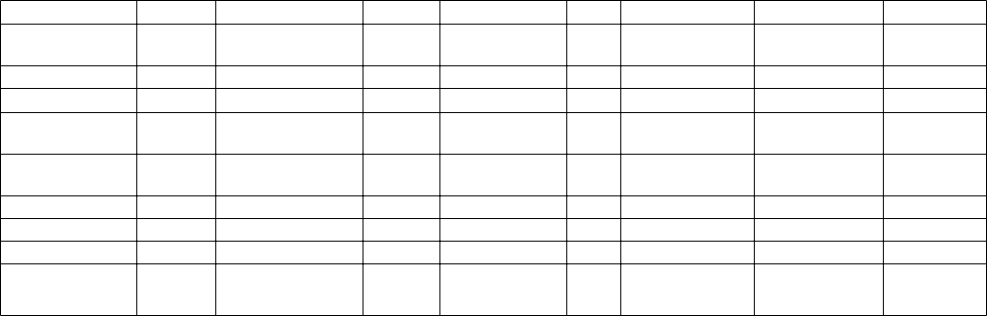
First, the dry statistics of the fleet:
The more senior of us will have nostalgic memories of pre- and early post-war summer days with the sun glinting on
trains of lovely varnished teak carriages hauled by apple green (and occasionally garter blue) engines. Those days
can of course never return but, two-thirds of a century after the demise of the LNER, the Severn Valley Railway
(SVR) endeavours to recreate similar such images for its visitors and enthusiasts. And this is not in a museum aspic
sense but in everyday regular working of our line's passenger services.
If you have not sampled the glorious delights of the beautiful Severn valley, its river, its scenery, interesting country
towns, the delightful walks and local inns, then do so soon. The cream on the cake is one of the major collections in
Britain of working ‘Gresleyana.’
Visitors are rewarded by experiencing some of their journeys in the wonderful varnished teakcarriages designed by Sir Nigel Gresley, who was also the inspiration for charismatic locomotives
such as ‘MALLARD’ and ‘FLYING SCOTSMAN’. This is thanks to the Herculean efforts spanning
more than four decades of the LNER (SVR) Coach Fund. This pioneering work of the Fund has
more recently been continued by the LNER Carriage Group of the Severn Valley Railway
Charitable Trust.
First, the dry statistics of the fleet:
Coach
1946 No.
Type
Diagram
Compartments
Seats
Built
Current Status
Owner
GNR 2701( a )
42701
Composite
164K
3 ½ /4
21F/
24T
24T
1922 Doncaster
Entered Service July 2008
SVR CT ( d )
643
9131
Buffet
167
1 ( c )
24
1937 York
In Service
SVR CT ( d )
7960
9162
Kitchen Composite
187
1 ( c ) / 1 ( c )
12/18
1936 Doncaster
In Service 2015
SVR CT ( d )
24068
10078
Composite Brake/Corridor
175
2/4
12/24
1937 York
In Service
SVR CT ( d )
24105 ( b )
13306
Open Third
186
1 ( c )
64
1936 Metro Cammell
In Service
SVR CT ( d )
43600
13354
Open Third
186
1 ( c )
64
1934 York
In Service
SVR CT ( d )
43612
13366
Open Third
186
1 ( c )
64
1934 York
In Service
SVR CT ( d )
52255
13547
Open Third
186
1 ( c )
64
1935 York
In Service
SVR CT ( d )
24506 (e)
Formerly 70759
Formerly 70759
N/A
Gangwayed Full Brake/Pigeon Van
114A
245
245
4
N/A
N/A
24
Nil
Nil
1943 York
Converted to
Pigeon Brake/Third
Pigeon Brake/Third
SVR CT ( d )
( a ) Replaces GNR No. 229; see text.
( b ) Now modified to Diagram 186A, seating 46 plus four wheelchairs.
( c ) Centre corridor
( d ) SVR CT = Severn Valley Railway Charitable Trust (Registered Charity 1092723)
( e ) Converted on SVR to include four passenger compartments as Dia.114A
( b ) Now modified to Diagram 186A, seating 46 plus four wheelchairs.
( c ) Centre corridor
( d ) SVR CT = Severn Valley Railway Charitable Trust (Registered Charity 1092723)
( e ) Converted on SVR to include four passenger compartments as Dia.114A
LNER Tourist Third Opens (TTO)
The SVR has four teak open thirds to Diagram 186 from a build of 410 coaches constructed between 1934 and
1938 to a design mainly for excursion and tourist work. The basic design comprises an open saloon seating 64
passengers arranged 2+2 either side of a central gangway and with two lavatories at one end. The relative
'emptiness' of a saloon nearly 50 ft in length is broken by arched fairings running from the saloon sides to the roof.
As built, bucket seats of the Tourist stock type were used for all open thirds and upholstered in orange and brown
'jazz' moquette. Following complaints from passengers, the bucket seats were replaced by high-backed winged
armchairs from 1946 onwards. No.43600 is an example of the early batches of these TTO’s completed at York in
1934. These were of interest as the underframes were the first of welded fabrication; this reduced the tare weight by
one ton as against those with riveted underframes.
Three of the four SVR TTO carriages are also survivors from the British Railways Eastern and North Eastern Region
Emergency Control trains. These trains were developed in the Cold War era to be available as mobile district
control offices in the event of future hostilities in a war emergency. The carriages concerned are Nos.43600, 52255,
and the wheelchair-access carriage 24105. Carriages 24105 and 43600 were in the York-based train, and 52255
was in one of the two Retford/Doncaster trains.
Murray Brown, of the NYMR Historical Railway Trust and of the LNER Coach Association, wrote an article
on these trains and their vehicles, which was published in the June 1981 issue of Railway World. This article gives a
detailed insight into this interesting corner of 'secret' railway history. It may be found on the LNERCA's website at:
http://www.lnerca.org/home/wp-content/uploads/2016/03/Hush-Hush-Coaches.pdf
These open thirds are popular on the SVR, both with passengers and operators. Their 64-seat capacity makes them
especially suited for large booked parties, ranging from school children to adult coach excursions, as well as for the
high loadings of ‘Santa Specials’ and 'Thomas' trains. They are also easier for 'at-seat sales' of refreshments and the
checking of tickets. But their relative 'ordinariness' and work-a-day function mean that many visitors no doubt fail to
appreciate their age or the huge effort in time and resources devoted by the LNER Fund in restoring them to a
standard which allows them to run turn-and-turnabout with SVR's other coach sets. Over the years they certainly ‘earn
their keep’ for the SVR.
1938 to a design mainly for excursion and tourist work. The basic design comprises an open saloon seating 64
passengers arranged 2+2 either side of a central gangway and with two lavatories at one end. The relative
'emptiness' of a saloon nearly 50 ft in length is broken by arched fairings running from the saloon sides to the roof.
As built, bucket seats of the Tourist stock type were used for all open thirds and upholstered in orange and brown
'jazz' moquette. Following complaints from passengers, the bucket seats were replaced by high-backed winged
armchairs from 1946 onwards. No.43600 is an example of the early batches of these TTO’s completed at York in
1934. These were of interest as the underframes were the first of welded fabrication; this reduced the tare weight by
one ton as against those with riveted underframes.
Three of the four SVR TTO carriages are also survivors from the British Railways Eastern and North Eastern Region
Emergency Control trains. These trains were developed in the Cold War era to be available as mobile district
control offices in the event of future hostilities in a war emergency. The carriages concerned are Nos.43600, 52255,
and the wheelchair-access carriage 24105. Carriages 24105 and 43600 were in the York-based train, and 52255
was in one of the two Retford/Doncaster trains.
Murray Brown, of the NYMR Historical Railway Trust and of the LNER Coach Association, wrote an article
on these trains and their vehicles, which was published in the June 1981 issue of Railway World. This article gives a
detailed insight into this interesting corner of 'secret' railway history. It may be found on the LNERCA's website at:
http://www.lnerca.org/home/wp-content/uploads/2016/03/Hush-Hush-Coaches.pdf
These open thirds are popular on the SVR, both with passengers and operators. Their 64-seat capacity makes them
especially suited for large booked parties, ranging from school children to adult coach excursions, as well as for the
high loadings of ‘Santa Specials’ and 'Thomas' trains. They are also easier for 'at-seat sales' of refreshments and the
checking of tickets. But their relative 'ordinariness' and work-a-day function mean that many visitors no doubt fail to
appreciate their age or the huge effort in time and resources devoted by the LNER Fund in restoring them to a
standard which allows them to run turn-and-turnabout with SVR's other coach sets. Over the years they certainly ‘earn
their keep’ for the SVR.
These Open Thirds arrived on the SVR in 1980, 43600 having been purchased by the LNER Fund and 52255
by an individual. Work on restoring Nos.43600 and 52255 to 1935 livery was undertaken in the mid-1980s, with the
LNER Fund being involved in both projects. These two TTOs along with buffet car No.643 provided the Gresley
presence on the SVR for many years.
Although it is common to find varnish dating from LNER days on the coach ends and between the windows, all traces
have usually gone from the long panels. Old sign writing occasionally leaves its outline on the teak, showing up at the
sanding stage. On No.43600, not only did the original number appear, but superimposed on it was the post-1946
number 13354. During early BR days an 'E' prefix had been added to the latter and was clearly visible, but not in the
officially recognised Gill Sans style. This one was in full pre-war style and obviously cut out of a redundant LNER
transfer sheet. The high standards set by earlier work on Nos.24105, 43612 and 2701 have been continued in
43600 and 52255. Between 2014 and 2016 the interiors of Nos. 43600 and 52255 received extensive
improvements to give them more of a ‘Gresley’ character. This much enhanced their earlier SVR austere interiors
using redundant BR Mark 1 seating.
These high capacity carriages perform useful work-a-day revenue-earning work, having now done more than three
decades of useful SVR service.
See Also Carriage Survey Entry for 43600 and Carriage Survey Entry for 52255.
by an individual. Work on restoring Nos.43600 and 52255 to 1935 livery was undertaken in the mid-1980s, with the
LNER Fund being involved in both projects. These two TTOs along with buffet car No.643 provided the Gresley
presence on the SVR for many years.
Although it is common to find varnish dating from LNER days on the coach ends and between the windows, all traces
have usually gone from the long panels. Old sign writing occasionally leaves its outline on the teak, showing up at the
sanding stage. On No.43600, not only did the original number appear, but superimposed on it was the post-1946
number 13354. During early BR days an 'E' prefix had been added to the latter and was clearly visible, but not in the
officially recognised Gill Sans style. This one was in full pre-war style and obviously cut out of a redundant LNER
transfer sheet. The high standards set by earlier work on Nos.24105, 43612 and 2701 have been continued in
43600 and 52255. Between 2014 and 2016 the interiors of Nos. 43600 and 52255 received extensive
improvements to give them more of a ‘Gresley’ character. This much enhanced their earlier SVR austere interiors
using redundant BR Mark 1 seating.
These high capacity carriages perform useful work-a-day revenue-earning work, having now done more than three
decades of useful SVR service.
See Also Carriage Survey Entry for 43600 and Carriage Survey Entry for 52255.
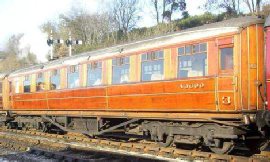
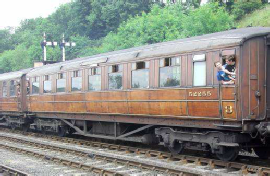
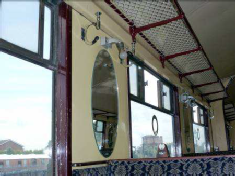
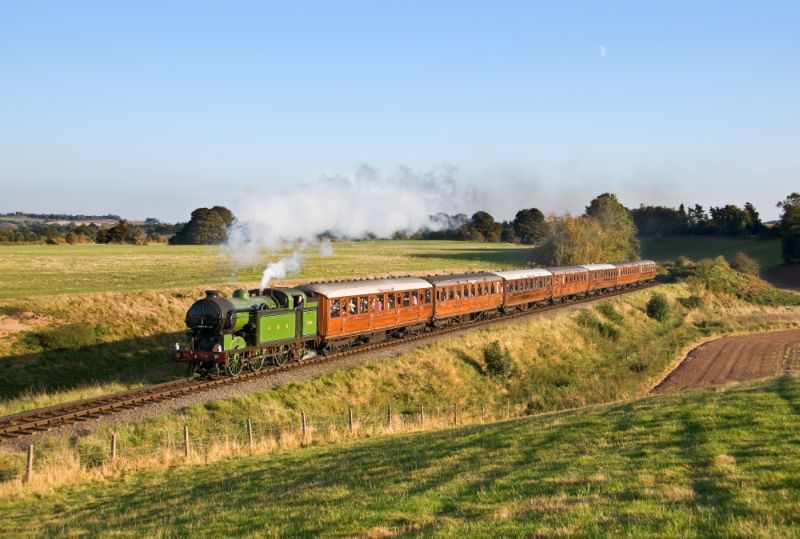
With Pete Waterman on the footplate and the moon clearly visible, Visiting N2 No.1744 really looks the part
hauling the Teaks as she races up Eardington Bank with the 1620 service to Bridgnorth. 26th September 2009.
Photo Phil Jones www.aportraitofsteam.com
hauling the Teaks as she races up Eardington Bank with the 1620 service to Bridgnorth. 26th September 2009.
Photo Phil Jones www.aportraitofsteam.com

Page Top
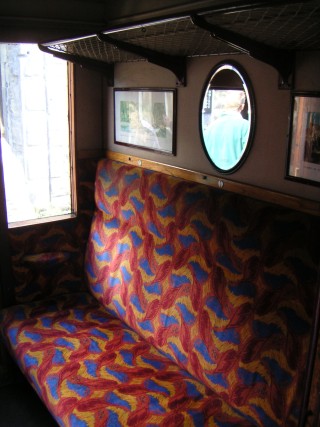
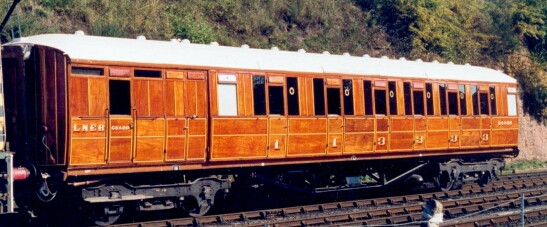
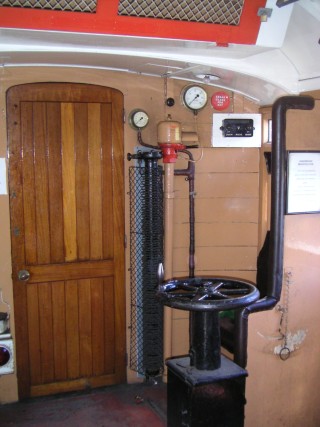
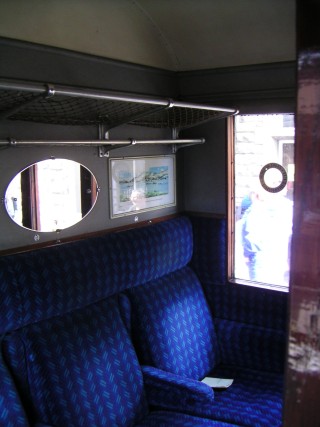
This coach has a welded underframe and is one of a series of 69 Brake Composites to Diagram 175 built with
Rexine interior in art-deco style between 1936 and 1940. No.24068 belonged to the LNER's North Eastern section.
 Most disappeared in 1964, but No. 24068 had been out shopped that year, as
No.GE10078E, and apparently not returned to traffic. It remained in sidings at
Leeman Road until 1968, when it was purchased for preservation, moving to the
SVR in September 1972. Replacement ex-4COR seating was fitted, as the
originals had been removed for other restorations; it also needed thorough
redecoration and stripping of BR paint. Between 1982 and 1997 it carried its BR
number GE10078E, the livery reflecting York's practice with unlined teak vehicles
until 1952.
Following ten years' SVR service the LNER (SVR) Coach Fund’s No. 24068 was withdrawn in 1992 to await a very
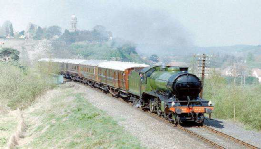 necessary brake overhaul, together with attention to other work outstanding, such as
a new roof canvas, replacement of some plywood panelling and attention to the
interior. With No.43612 out shopped from Bridgnorth, coupled with a strong
possibility of Gresley TTO No.24105 being available, and the impending repainting
of K4 No. 3442 ' THE GREAT MARQUESS' into BR black livery, it was realised that
the spring of 1997 offered a not-to-be-missed chance of running a full LNER teak
train with a correctly liveried apple green engine.
Thus No.24068 was exhumed from the depths of Kidderminster Yard and became the first vehicle to benefit from
the SVR's new paint shop facility. While the full-time staff suitably modified the serviceable bogies retained from
GNR No.229 (by now at Llangollen on that railway's bogies), the bodywork of No. 24068 was cleaned and
re-varnished by volunteers to make the coach fit to act as a brake. It duly appeared with four other teak coaches and
the K4 at various events and on photographers’ charters, forming a superb milestone in the LNER Fund's long task.
Among its appearances was as 'Clarabelle' at 'Thomas' weekends. The full overhaul then started in October 1997,
as a joint full-time staff and volunteer project, broken only by a brief appearance at the SVR's 1998 Autumn Gala as
part of a six coach teak set to accompany the visiting ex-LNER B12 4-6-0 No. 8572 from the North Norfolk Railway.
In 2000, it was out shopped, fully restored to its magnificent 1937 LNER livery, and numbered 24068. The LNER
(SVR) Coach Fund gifted this carriage to the SVR Rolling Stock Trust Co Ltd in December 2010, along with 43600
and 70759 – see separate entries).
See Also Carriage Survey Entry for 24068.
Rexine interior in art-deco style between 1936 and 1940. No.24068 belonged to the LNER's North Eastern section.
Most disappeared in 1964, but No. 24068 had been out shopped that year, asNo.GE10078E, and apparently not returned to traffic. It remained in sidings at
Leeman Road until 1968, when it was purchased for preservation, moving to the
SVR in September 1972. Replacement ex-4COR seating was fitted, as the
originals had been removed for other restorations; it also needed thorough
redecoration and stripping of BR paint. Between 1982 and 1997 it carried its BR
number GE10078E, the livery reflecting York's practice with unlined teak vehicles
until 1952.
Following ten years' SVR service the LNER (SVR) Coach Fund’s No. 24068 was withdrawn in 1992 to await a very
necessary brake overhaul, together with attention to other work outstanding, such asa new roof canvas, replacement of some plywood panelling and attention to the
interior. With No.43612 out shopped from Bridgnorth, coupled with a strong
possibility of Gresley TTO No.24105 being available, and the impending repainting
of K4 No. 3442 ' THE GREAT MARQUESS' into BR black livery, it was realised that
the spring of 1997 offered a not-to-be-missed chance of running a full LNER teak
train with a correctly liveried apple green engine.
Thus No.24068 was exhumed from the depths of Kidderminster Yard and became the first vehicle to benefit from
the SVR's new paint shop facility. While the full-time staff suitably modified the serviceable bogies retained from
GNR No.229 (by now at Llangollen on that railway's bogies), the bodywork of No. 24068 was cleaned and
re-varnished by volunteers to make the coach fit to act as a brake. It duly appeared with four other teak coaches and
the K4 at various events and on photographers’ charters, forming a superb milestone in the LNER Fund's long task.
Among its appearances was as 'Clarabelle' at 'Thomas' weekends. The full overhaul then started in October 1997,
as a joint full-time staff and volunteer project, broken only by a brief appearance at the SVR's 1998 Autumn Gala as
part of a six coach teak set to accompany the visiting ex-LNER B12 4-6-0 No. 8572 from the North Norfolk Railway.
In 2000, it was out shopped, fully restored to its magnificent 1937 LNER livery, and numbered 24068. The LNER
(SVR) Coach Fund gifted this carriage to the SVR Rolling Stock Trust Co Ltd in December 2010, along with 43600
and 70759 – see separate entries).
See Also Carriage Survey Entry for 24068.
The LNER (SVR) Coach Fund acquired BGP No.70759 from Buckfastleigh where it was surplus to requirements. It
was built as a full brake with a central guard's compartment and fold-down racks intended for the transport of racing
pigeons. It was part of the 1943 final batch of Gresley carriages and so could well be the ‘newest’ survivor. Withdrawn
by British Rail in 1972, it became a store for publishers David & Charles at Newton Abbot, where it would have been
seen by countless passing main line passengers. Twenty years later it moved to the South Devon Railway at
Buckfastleigh, again being used for storage until early 2005, when the LNER Fund purchased it. Following movement
to Bewdley on 17th/18th March 2005, one end was converted, in an easily reversible manner, to serve as
the Station Fund Shop, with the rest in use as a store.
There has long been a need for a second brake vehicle in the SVR’s LNER set to cover maintenance and overhaul
needs. Although several potentially suitable vehicles survive in preservation, all are either in use or needing extensive
repair and restoration work. No.70759 has therefore been converted to a Brake Third to meet the operational needs
of the SVR. The "short" van and guard's compartment (about half the length of the vehicle) has been overhauled and
restored to its original condition with pigeon racks. The "long" van has been converted for passenger use by
repositioning the doors and fitting revised framing for new windows and doors. Several layout options were examined,
but an arrangement with four passenger compartments and a side corridor was concluded to be the most practicable,
both for traffic reasons and for making best use of the Fund's available spares.
New teak panelling was purchased in 2013 and subsequently fitted to the vehicle, and a parts sponsorship
fund-raising programme to pay for this costly project is still in place.
Unwelcome and costly discoveries during the restoration project included extensive rot and woodworm damage
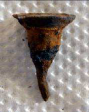 in 70759’s structure, necessitating complete replacement of the flooring and parts of the cantrail. Another
unwelcome additional expense was the need to replace the roof timbers in their entirety. This is
because the wartime screws used to attach the roof in 1943 had severely corroded (see picture). This
extensively damaged the wood and compromised the roof’s integrity. Renewal of the roof was done in
2013 at a cost of £23k.
In 2010 along with vehicles 24068 and 43600, the LNER (SVR) Coach Fund transferred this carriage to the SVR
Charitable Trust Ltd. A benefit of this is that the major fund-raising needed for this project has allowed for
tax-efficient Gift Aid on qualifying donations. The Charitable Trust still welcomes donations towards the cost of this
restoration.
See ‘Can You Help?’ for details of the parts sponsorship scheme.
See Also Carriage Survey Entry for 70759.
Gresley enthusiasts everywhere owe a great debt to those SVR volunteers and fund-raisers who work on the
restoration and care of the Gresley stock on the Railway. Many of the SVR teaks have now been on the Railway for
longer than their combined ownership by the LNER and British Railways.
Before its untimely demise following the movement of a driving wheel on its axle, Gresley K4 No.3442 'THE GREAT
MARQUESS' and the teak train had recreated the atmosphere of the West Highland Line in a quite magical way.
Sadly, both the K4 and A4 Pacific 60009 'UNION OF SOUTH AFRICA' have since left the SVR. But other visiting
engines occasionally reinforce the Gresley influence deep in this GWR territory. These have included the ex-LNER
B12 4-6-0 No.8572, which attended the SVR's 1998 Autumn Steam Gala (recreating the vision of 'The Day
Continental') and V2 2-6-2 4771 'GREEN ARROW', which came for the 2007 Autumn Gala and looked so totally
'right' in combining the grace of apple green and teak (see our video link elsewhere on this website). In 1992 A4
No.4498 'SIR NIGEL GRESLEY' also visited the line in its garter blue livery days, and we were delighted to have a
return visit by this fine machine for the SVR's 'Festival of Steam' Gala in March 2009. This time it was in its BR blue
livery as 60007.
2009 proved to be a vintage year for those who appreciate the Gresley style, as GNR Class N2 0-6-2 tank locomotive
No.1744 also made its first ever SVR visit for the Autumn Gala and October half-term week. This powerful and
economic engine once hauled heavy suburban trains from King's Cross and Moorgate out to London's 'Northern
Heights' suburbs. It now normally lives on the Great Central Railway and proved popular with our visitors and SVR
working members - and of course looked superb with our teak carriages. But that was not all. Perhaps the crowning
glory of 2009 was the October visit of the new-build Peppercorn Pacific 60163 'TORNADO'. This popular engine
represents the ultimate development of the principles adopted by Gresley in his first Pacific ('GREAT NORTHERN')
in 1922. ‘TORNADO’ attracted many visitors to the SVR and concluded a wonderful year for all GNR/LNER
enthusiasts.
We had thought that 2009 would be a difficult act to follow. But the SVR 2012 Spring Gala managed to vie with it for
the quality of the Gresley-presence. The highlights were:
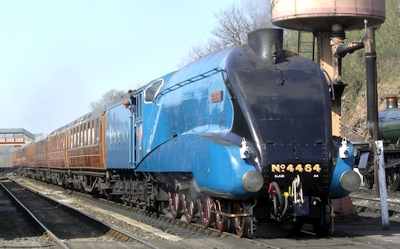 · Despite SVR’s apparent inability to headline it, this event celebrated Britain’s
longest-ever restored Gresley varnished teak train formation in the heritage
era – the first time with eight carriages.
· The Teak Set hauled by an A4 in the authentic 1930s art-deco livery of Garter
Blue with red wheels, full valences and gold leaf numbers.
· The first run in public service of the magnificently restored LNER kitchen
restaurant carriage No.7960 – making the eighth vehicle in the ‘longest-ever’
restored Gresley teak train.
· A repeat visit of the Gresley Society Trust’s preserved N2 in its Great Northern
Railway apple green along with the delightful J72 69023 in its BR apple green
creation – recalling its days as Newcastle’s station pilot.
· An N2/J72 double-headed teak train.
There were moments when Kidderminster serendipitously echoed King’s Cross in steam days, with an A4-hauled
express impatiently awaiting departure and an N2 fussing with the empty stock of an incoming train. A4 4464
BITTERN looked truly magnificent in its correct Gresley LNER livery and valences over the wheels.
With the completion of the 24506 Brake Third project SVR visitors can look to enjoy the sight of a full eight-carriage
public service LNER teak train. And occasionally a ninth will be possible when the opportunity arises to attach Kitchen
Composite No.7960.
These are landmark achievements by those SVR people who have ‘carried the Gresley banner’ on the Railway
since the early 1970s. Future generations will owe them a great debt of gratitude.
The work of restoring Gresley carriages for future generations is always in need of support, whether it be by way of
practical help or finance. If a reader of this article wishes to offer support of any kind, they should contact the LNER
group via the Volunteer Liaison Office at Severn Valley Railway, Bewdley Station, Worcestershire,
DY12 1DP.
was built as a full brake with a central guard's compartment and fold-down racks intended for the transport of racing
pigeons. It was part of the 1943 final batch of Gresley carriages and so could well be the ‘newest’ survivor. Withdrawn
by British Rail in 1972, it became a store for publishers David & Charles at Newton Abbot, where it would have been
seen by countless passing main line passengers. Twenty years later it moved to the South Devon Railway at
Buckfastleigh, again being used for storage until early 2005, when the LNER Fund purchased it. Following movement
to Bewdley on 17th/18th March 2005, one end was converted, in an easily reversible manner, to serve as
the Station Fund Shop, with the rest in use as a store.
There has long been a need for a second brake vehicle in the SVR’s LNER set to cover maintenance and overhaul
needs. Although several potentially suitable vehicles survive in preservation, all are either in use or needing extensive
repair and restoration work. No.70759 has therefore been converted to a Brake Third to meet the operational needs
of the SVR. The "short" van and guard's compartment (about half the length of the vehicle) has been overhauled and
restored to its original condition with pigeon racks. The "long" van has been converted for passenger use by
repositioning the doors and fitting revised framing for new windows and doors. Several layout options were examined,
but an arrangement with four passenger compartments and a side corridor was concluded to be the most practicable,
both for traffic reasons and for making best use of the Fund's available spares.
New teak panelling was purchased in 2013 and subsequently fitted to the vehicle, and a parts sponsorship
fund-raising programme to pay for this costly project is still in place.
Unwelcome and costly discoveries during the restoration project included extensive rot and woodworm damage
in 70759’s structure, necessitating complete replacement of the flooring and parts of the cantrail. Anotherunwelcome additional expense was the need to replace the roof timbers in their entirety. This is
because the wartime screws used to attach the roof in 1943 had severely corroded (see picture). This
extensively damaged the wood and compromised the roof’s integrity. Renewal of the roof was done in
2013 at a cost of £23k.
In 2010 along with vehicles 24068 and 43600, the LNER (SVR) Coach Fund transferred this carriage to the SVR
Charitable Trust Ltd. A benefit of this is that the major fund-raising needed for this project has allowed for
tax-efficient Gift Aid on qualifying donations. The Charitable Trust still welcomes donations towards the cost of this
restoration.
See ‘Can You Help?’ for details of the parts sponsorship scheme.
See Also Carriage Survey Entry for 70759.
Gresley enthusiasts everywhere owe a great debt to those SVR volunteers and fund-raisers who work on the
restoration and care of the Gresley stock on the Railway. Many of the SVR teaks have now been on the Railway for
longer than their combined ownership by the LNER and British Railways.
Before its untimely demise following the movement of a driving wheel on its axle, Gresley K4 No.3442 'THE GREAT
MARQUESS' and the teak train had recreated the atmosphere of the West Highland Line in a quite magical way.
Sadly, both the K4 and A4 Pacific 60009 'UNION OF SOUTH AFRICA' have since left the SVR. But other visiting
engines occasionally reinforce the Gresley influence deep in this GWR territory. These have included the ex-LNER
B12 4-6-0 No.8572, which attended the SVR's 1998 Autumn Steam Gala (recreating the vision of 'The Day
Continental') and V2 2-6-2 4771 'GREEN ARROW', which came for the 2007 Autumn Gala and looked so totally
'right' in combining the grace of apple green and teak (see our video link elsewhere on this website). In 1992 A4
No.4498 'SIR NIGEL GRESLEY' also visited the line in its garter blue livery days, and we were delighted to have a
return visit by this fine machine for the SVR's 'Festival of Steam' Gala in March 2009. This time it was in its BR blue
livery as 60007.
2009 proved to be a vintage year for those who appreciate the Gresley style, as GNR Class N2 0-6-2 tank locomotive
No.1744 also made its first ever SVR visit for the Autumn Gala and October half-term week. This powerful and
economic engine once hauled heavy suburban trains from King's Cross and Moorgate out to London's 'Northern
Heights' suburbs. It now normally lives on the Great Central Railway and proved popular with our visitors and SVR
working members - and of course looked superb with our teak carriages. But that was not all. Perhaps the crowning
glory of 2009 was the October visit of the new-build Peppercorn Pacific 60163 'TORNADO'. This popular engine
represents the ultimate development of the principles adopted by Gresley in his first Pacific ('GREAT NORTHERN')
in 1922. ‘TORNADO’ attracted many visitors to the SVR and concluded a wonderful year for all GNR/LNER
enthusiasts.
We had thought that 2009 would be a difficult act to follow. But the SVR 2012 Spring Gala managed to vie with it for
the quality of the Gresley-presence. The highlights were:
· Despite SVR’s apparent inability to headline it, this event celebrated Britain’slongest-ever restored Gresley varnished teak train formation in the heritage
era – the first time with eight carriages.
· The Teak Set hauled by an A4 in the authentic 1930s art-deco livery of Garter
Blue with red wheels, full valences and gold leaf numbers.
· The first run in public service of the magnificently restored LNER kitchen
restaurant carriage No.7960 – making the eighth vehicle in the ‘longest-ever’
restored Gresley teak train.
· A repeat visit of the Gresley Society Trust’s preserved N2 in its Great Northern
Railway apple green along with the delightful J72 69023 in its BR apple green
creation – recalling its days as Newcastle’s station pilot.
· An N2/J72 double-headed teak train.
There were moments when Kidderminster serendipitously echoed King’s Cross in steam days, with an A4-hauled
express impatiently awaiting departure and an N2 fussing with the empty stock of an incoming train. A4 4464
BITTERN looked truly magnificent in its correct Gresley LNER livery and valences over the wheels.
With the completion of the 24506 Brake Third project SVR visitors can look to enjoy the sight of a full eight-carriage
public service LNER teak train. And occasionally a ninth will be possible when the opportunity arises to attach Kitchen
Composite No.7960.
These are landmark achievements by those SVR people who have ‘carried the Gresley banner’ on the Railway
since the early 1970s. Future generations will owe them a great debt of gratitude.
The work of restoring Gresley carriages for future generations is always in need of support, whether it be by way of
practical help or finance. If a reader of this article wishes to offer support of any kind, they should contact the LNER
group via the Volunteer Liaison Office at Severn Valley Railway, Bewdley Station, Worcestershire,
DY12 1DP.
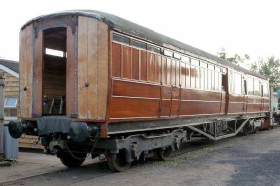
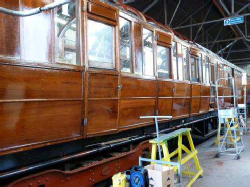
2701 was built at Doncaster in August 1922 as one of ten carriages to Diagram 164K. A corridor composite, it seats
21 first class passengers in 3 ½ compartments - the half being known as a ‘coupé’ - and 24 in four rather less
luxurious thirds. Despite being involved in a collision at Retford in the autumn of its first year, it ran in service until
1958, and may well have been included in the Kings Cross-Cambridge "Beer Trains". Following withdrawal, it was
converted at Stratford to a Camp Coach (157), and served at Mundesley from 1959 until 1963. Entering
departmental service, it ended up as an office on isolated track at Boston, from where it was purchased by the
Swineshead pub landlord for conversion to a dining room. This never happened, and it moved to another public
house at Heanor in Derbyshire from where it was purchased in 1994 for restoration by the LNER Fund. Unfortunately
the outside panelling was by then almost entirely plywood, so the LNER Fund took the opportunity of a temporary
relaxation in the Thai 'teak ban' to acquire the panels with the help of loans and donations. Some at least of the teak
used had spent several decades as part of a sunken ship’s cargo on the bed of the Irish Sea - but seemed none the
worse for the experience.
On its SVR arrival, none of No. 2701’s original interior existed and most fittings were missing, but fortunately the Fund
had available a stock of many of the 'difficult' bits. In 2001 the Heritage Lottery Fund awarded a grant of £84.3k
towards the estimated total restoration cost of £160k. Full restoration was completed in 2008, allowing the carriage to
re-enter public service in July magnificently restored to its former glories, These now include a small exhibition area.
GNR 2701 was formally launched into service on 16th August 2008 by Mr Tim Godfrey, a grandson of Sir Nigel
Gresley and a Vice President of the Fund. As a vehicle without a brake section, it provides the required balance of
first class accommodation in SVR's teak set – and does this in a grand style. Well worth the SVR’s First Class
supplement fare!
GNR 2701, especially its First Class section, has steadily built-up its own club-style clientele with many passengers
coming to the Railway with one of their aims being to have a ride in its sumptuous seating. The quality of its
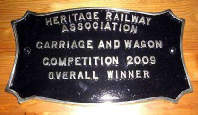 restoration was recognised nationally by the Heritage Railway Association, who chose it as
their ‘overall winner’ in the rolling stock section of their 2009 awards competition. This award
was marked by a plaque that 2701 now carries in its exhibition section.
The LNER (SVR) Coach Fund gifted this carriage to the SVR Charitable Trust Co Ltd in 2016, along with 24105
(see separate entry).
See Also Carriage Survey Entry for 2701.
21 first class passengers in 3 ½ compartments - the half being known as a ‘coupé’ - and 24 in four rather less
luxurious thirds. Despite being involved in a collision at Retford in the autumn of its first year, it ran in service until
1958, and may well have been included in the Kings Cross-Cambridge "Beer Trains". Following withdrawal, it was
converted at Stratford to a Camp Coach (157), and served at Mundesley from 1959 until 1963. Entering
departmental service, it ended up as an office on isolated track at Boston, from where it was purchased by the
Swineshead pub landlord for conversion to a dining room. This never happened, and it moved to another public
house at Heanor in Derbyshire from where it was purchased in 1994 for restoration by the LNER Fund. Unfortunately
the outside panelling was by then almost entirely plywood, so the LNER Fund took the opportunity of a temporary
relaxation in the Thai 'teak ban' to acquire the panels with the help of loans and donations. Some at least of the teak
used had spent several decades as part of a sunken ship’s cargo on the bed of the Irish Sea - but seemed none the
worse for the experience.
On its SVR arrival, none of No. 2701’s original interior existed and most fittings were missing, but fortunately the Fund
had available a stock of many of the 'difficult' bits. In 2001 the Heritage Lottery Fund awarded a grant of £84.3k
towards the estimated total restoration cost of £160k. Full restoration was completed in 2008, allowing the carriage to
re-enter public service in July magnificently restored to its former glories, These now include a small exhibition area.
GNR 2701 was formally launched into service on 16th August 2008 by Mr Tim Godfrey, a grandson of Sir Nigel
Gresley and a Vice President of the Fund. As a vehicle without a brake section, it provides the required balance of
first class accommodation in SVR's teak set – and does this in a grand style. Well worth the SVR’s First Class
supplement fare!
GNR 2701, especially its First Class section, has steadily built-up its own club-style clientele with many passengers
coming to the Railway with one of their aims being to have a ride in its sumptuous seating. The quality of its
restoration was recognised nationally by the Heritage Railway Association, who chose it astheir ‘overall winner’ in the rolling stock section of their 2009 awards competition. This award
was marked by a plaque that 2701 now carries in its exhibition section.
The LNER (SVR) Coach Fund gifted this carriage to the SVR Charitable Trust Co Ltd in 2016, along with 24105
(see separate entry).
See Also Carriage Survey Entry for 2701.
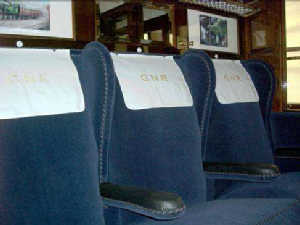
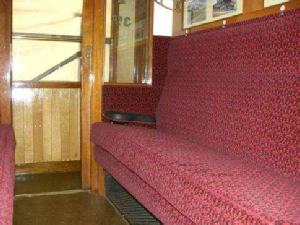
GNR 2701’s First and Third Class seating
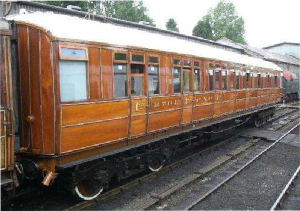
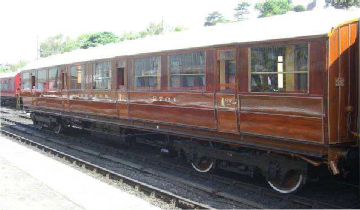
GNR 2701 launched into public service in July/August 2008

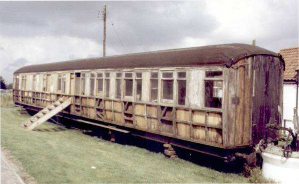
This Gresley designed carriage No.7960 is the last surviving LNER Kitchen Composite and was built at Doncaster in
1936 to Diagram 187. The coach comprises an entrance vestibule giving access to the third-class saloon, seating
18, followed by the first-class saloon, seating 12. A side corridor leading from the first-class saloon gives access to
a pantry compartment, kitchen and finally an attendant's lavatory.
The interior of the third-class saloon is finished in varnished teak with polished brass metal fittings, whilst the
first-class saloon has quartered fiddle back veneered panels with mahogany trim and polished chrome metal fittings.
The kitchen was originally equipped with a sink, refrigerated cupboards and an electric cooker and oven. Two Stones
dynamos rated at 7·2Kw were mounted on the underframe to provide power, belt driven from one of the axles and
supplemented by batteries. The carriage rode on heavy-type compound bolster bogies. The body is 9ft 3in wide and
length over buffers 63ft 6in.
7960 spent all its passenger working life on the former Great North of Scotland route between Aberdeen, (departure
7.00am) and Inverness (return 12.30pm). In 1957 British Rail initiated a five-year programme, for 430 new catering
vehicles, with the aim of replacing all of those of pre-1939 construction. Some all-electric LNER cars were
converted to propane equipment from 1958 to extend their working lives, but this did not include 7960, which was
withdrawn in 1961.
No.7960's wonderful and sumptuous restoration was very much the personal project of the late Phil James. Phil was
a pharmacist by profession and closely involved for many years with the coach restoration work of the Great Western
(SVR) Association. But Phil most regrettably died in March 2009 after a lengthy illness and so never saw his LNER
carriage fully finished and in working order. Nor was he able to see his 7960 in full varnished teak glory on display at
Kidderminster during the SVR's 2010 Autumn Gala.
Taking pity on its woeful condition, Phil had purchased 7960 after it had lain in the depths of Kidderminster yard for a
decade. From 1990 he started with a very small team to return the vehicle from dereliction, working in the open
initially at Kidderminster and later at Bewdley. By 2008, by when Phil's illness was beginning to affect his ability to
work, the project was nearing completion apart from the kitchen fittings.
It is our good fortune that ownership of this superbly restored vehicle is now securely vested in the SVR Charitable
Trust, which has completed the project and fitted out the Pantry and Kitchen. The Carriage is now available for
private and corporate bookings with a catering service, and one day it may find its place in a projected SVR quality
charter dining set.
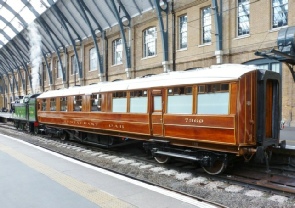 No.7960 also made a high profile public appearance in Platform 8 of the main
station at King’s Cross on 5th April 2016, along with Gresley GNR-liveried N2
tank locomotive No.1744, this being the occasion of the formal unveiling of the
Gresley Society-commissioned statue of Sir Nigel Gresley in the station’s
Western Concourse.
See Also Kitchen Composite No. 7960 web site and Carriage Survey Entry for 7960.
1936 to Diagram 187. The coach comprises an entrance vestibule giving access to the third-class saloon, seating
18, followed by the first-class saloon, seating 12. A side corridor leading from the first-class saloon gives access to
a pantry compartment, kitchen and finally an attendant's lavatory.
The interior of the third-class saloon is finished in varnished teak with polished brass metal fittings, whilst the
first-class saloon has quartered fiddle back veneered panels with mahogany trim and polished chrome metal fittings.
The kitchen was originally equipped with a sink, refrigerated cupboards and an electric cooker and oven. Two Stones
dynamos rated at 7·2Kw were mounted on the underframe to provide power, belt driven from one of the axles and
supplemented by batteries. The carriage rode on heavy-type compound bolster bogies. The body is 9ft 3in wide and
length over buffers 63ft 6in.
7960 spent all its passenger working life on the former Great North of Scotland route between Aberdeen, (departure
7.00am) and Inverness (return 12.30pm). In 1957 British Rail initiated a five-year programme, for 430 new catering
vehicles, with the aim of replacing all of those of pre-1939 construction. Some all-electric LNER cars were
converted to propane equipment from 1958 to extend their working lives, but this did not include 7960, which was
withdrawn in 1961.
No.7960's wonderful and sumptuous restoration was very much the personal project of the late Phil James. Phil was
a pharmacist by profession and closely involved for many years with the coach restoration work of the Great Western
(SVR) Association. But Phil most regrettably died in March 2009 after a lengthy illness and so never saw his LNER
carriage fully finished and in working order. Nor was he able to see his 7960 in full varnished teak glory on display at
Kidderminster during the SVR's 2010 Autumn Gala.
Taking pity on its woeful condition, Phil had purchased 7960 after it had lain in the depths of Kidderminster yard for a
decade. From 1990 he started with a very small team to return the vehicle from dereliction, working in the open
initially at Kidderminster and later at Bewdley. By 2008, by when Phil's illness was beginning to affect his ability to
work, the project was nearing completion apart from the kitchen fittings.
It is our good fortune that ownership of this superbly restored vehicle is now securely vested in the SVR Charitable
Trust, which has completed the project and fitted out the Pantry and Kitchen. The Carriage is now available for
private and corporate bookings with a catering service, and one day it may find its place in a projected SVR quality
charter dining set.
No.7960 also made a high profile public appearance in Platform 8 of the mainstation at King’s Cross on 5th April 2016, along with Gresley GNR-liveried N2
tank locomotive No.1744, this being the occasion of the formal unveiling of the
Gresley Society-commissioned statue of Sir Nigel Gresley in the station’s
Western Concourse.
See Also Kitchen Composite No. 7960 web site and Carriage Survey Entry for 7960.
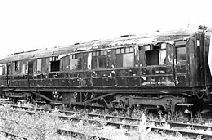
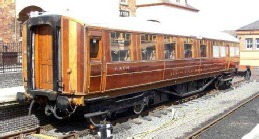
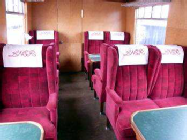
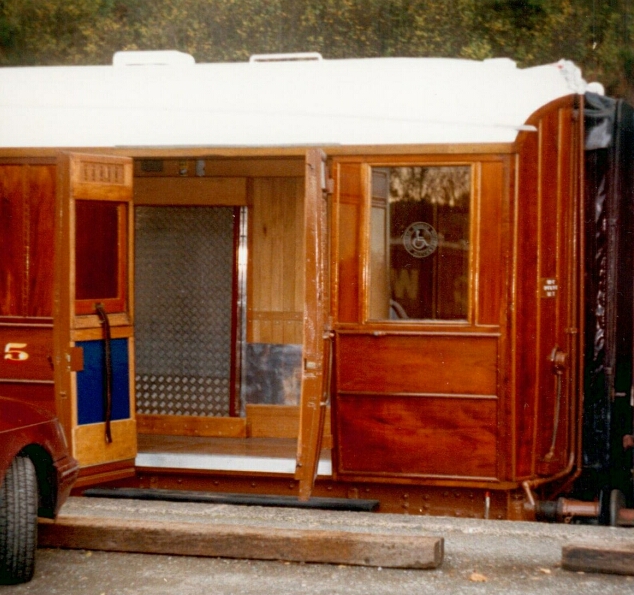
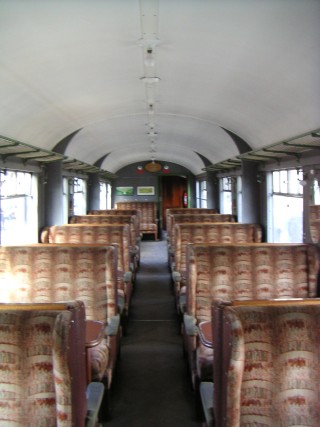
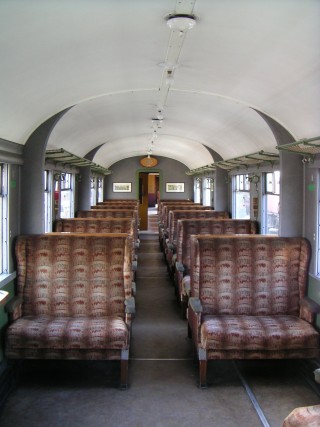
This carriage was built in 1936 for the LNER's North Eastern section either by the Birmingham Railway Carriage and
Wagon Company or by Metro-Cammell. In the early 1960s the coach became part of one of the six four-coach sets
formed of ex-LNER carriages to act as mobile control trains for use in the event of war. No.24105 was the control
and apparatus car in the York train and, though heavily modified, its basic structure remained intact. The control train
rebuild involved panelling over most of the windows in a skilful, almost undetectable, but reversible manner. More
importantly, double doors were fitted to one side.
No.24105 came to the SVR in 1980 in the then ownership of an Erlestoke Manor Fund trustee and later by the LNER
Fund. It spent many years at Bewdley in use as a restoration fund sales shop. The LNER Fund’s restoration of
No.24105, also at Bewdley, was extensive. After much careful thought, it was modified to give access for up to four
wheelchairs, retaining its control train double door modification to facilitate this. By fitting an extra half door on the side
opposite to the existing double doors, wheelchairs can enter the coach from either side. This helps towards the
SVR's long term aim of having a wheelchair-friendly vehicle in each train set. As modified to Diagram 186A,
No.24105's seating capacity was initially reduced to 50 seats, though this has since been reduced to 46 to make
space for more than four wheelchairs. One of the two original lavatories is retained in a modified form to allow
wheelchair access – though not quite to the dimensions of a standard size disabled person's toilet.
With the aid of some spectacular fund-raising, the overhaul of No.24105 was extensive, including new exterior
panels, restoring the blanked off windows, roof repairs, rewiring, fitting heating radiators, equipping the lavatory
compartment, and fitting new floorboards. The interior cladding was fitted using 'Glasroc GRG' kindly donated by
British Gypsum. Forbo Fabrics (formerly Nairn Floor Coverings) also donated quantities of 'Vynide', a modern fire
retardant material, to allow a reasonable representation of the traditional LNER ‘Rexine’ finish - in this case in the grey
and green scheme applied to some of the original 'tourist' coaches. Seating presented a challenge - there was none!
Rather than making replicas of the allegedly uncomfortable original tourist bucket seats, it was decided to make a
new set of seats based on a single example of the later (1939) seats as fitted to Diagram 186 and its successor
Diagram 302 coaches.
With completion approaching the exterior was given many coats of yacht varnish before the complex lining out and
lettering, lino was laid and seating and wall furniture fixed. Attention to detail allows passengers to travel in an
authentic environment. Proceeds of a 1996 charity walk were devoted to LNER pattern tables, coat hooks, authentic
lamp fittings and other finishings. After a long and thorough restoration, No.24105 made its first service appearance
on 6 February 1998 in the set for the 10.30am departure from Kidderminster. It was duly "christened" in the LNER
Fund's traditional manner with a bottle of strong brown ale smashed on the buffer! Hopefully those who travel in its
magnificence will appreciate the loving work that has gone into it.
National Westminster Bank sponsorship subsequently enabled the luggage racks to be made and fitted in time for its
official launch on Good Friday of that year, by Sir William Lawrence.
The LNER (SVR) Coach Fund gifted this carriage to the SVR Charitable Trust Co Ltd in 2016, along with 24105
(see separate entrie).
See Also Carriage Survey Entry for 24105.
Wagon Company or by Metro-Cammell. In the early 1960s the coach became part of one of the six four-coach sets
formed of ex-LNER carriages to act as mobile control trains for use in the event of war. No.24105 was the control
and apparatus car in the York train and, though heavily modified, its basic structure remained intact. The control train
rebuild involved panelling over most of the windows in a skilful, almost undetectable, but reversible manner. More
importantly, double doors were fitted to one side.
No.24105 came to the SVR in 1980 in the then ownership of an Erlestoke Manor Fund trustee and later by the LNER
Fund. It spent many years at Bewdley in use as a restoration fund sales shop. The LNER Fund’s restoration of
No.24105, also at Bewdley, was extensive. After much careful thought, it was modified to give access for up to four
wheelchairs, retaining its control train double door modification to facilitate this. By fitting an extra half door on the side
opposite to the existing double doors, wheelchairs can enter the coach from either side. This helps towards the
SVR's long term aim of having a wheelchair-friendly vehicle in each train set. As modified to Diagram 186A,
No.24105's seating capacity was initially reduced to 50 seats, though this has since been reduced to 46 to make
space for more than four wheelchairs. One of the two original lavatories is retained in a modified form to allow
wheelchair access – though not quite to the dimensions of a standard size disabled person's toilet.
With the aid of some spectacular fund-raising, the overhaul of No.24105 was extensive, including new exterior
panels, restoring the blanked off windows, roof repairs, rewiring, fitting heating radiators, equipping the lavatory
compartment, and fitting new floorboards. The interior cladding was fitted using 'Glasroc GRG' kindly donated by
British Gypsum. Forbo Fabrics (formerly Nairn Floor Coverings) also donated quantities of 'Vynide', a modern fire
retardant material, to allow a reasonable representation of the traditional LNER ‘Rexine’ finish - in this case in the grey
and green scheme applied to some of the original 'tourist' coaches. Seating presented a challenge - there was none!
Rather than making replicas of the allegedly uncomfortable original tourist bucket seats, it was decided to make a
new set of seats based on a single example of the later (1939) seats as fitted to Diagram 186 and its successor
Diagram 302 coaches.
With completion approaching the exterior was given many coats of yacht varnish before the complex lining out and
lettering, lino was laid and seating and wall furniture fixed. Attention to detail allows passengers to travel in an
authentic environment. Proceeds of a 1996 charity walk were devoted to LNER pattern tables, coat hooks, authentic
lamp fittings and other finishings. After a long and thorough restoration, No.24105 made its first service appearance
on 6 February 1998 in the set for the 10.30am departure from Kidderminster. It was duly "christened" in the LNER
Fund's traditional manner with a bottle of strong brown ale smashed on the buffer! Hopefully those who travel in its
magnificence will appreciate the loving work that has gone into it.
National Westminster Bank sponsorship subsequently enabled the luggage racks to be made and fitted in time for its
official launch on Good Friday of that year, by Sir William Lawrence.
The LNER (SVR) Coach Fund gifted this carriage to the SVR Charitable Trust Co Ltd in 2016, along with 24105
(see separate entrie).
See Also Carriage Survey Entry for 24105.
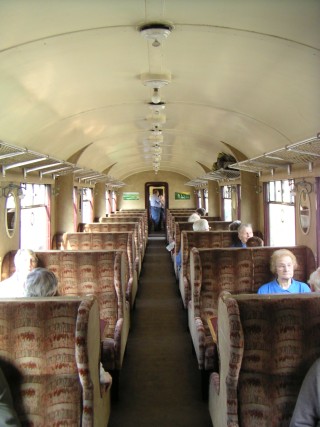
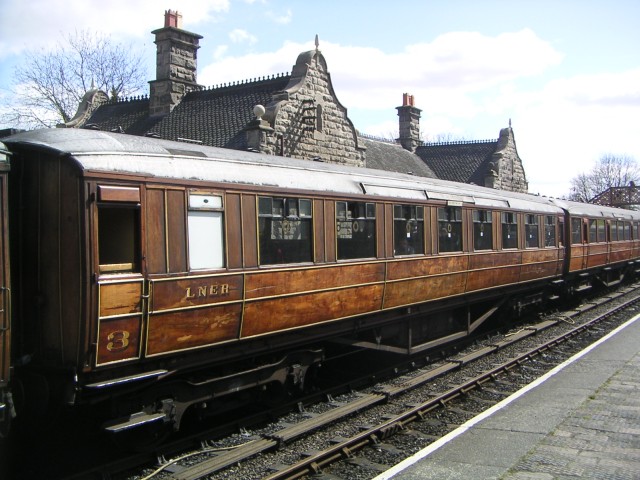
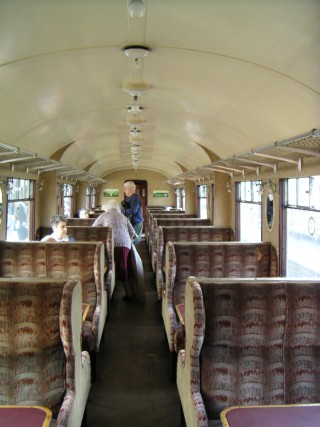
When newly restored this carriage set another milestone against which all other LNER teak vehicle restorations may
be measured. No.43612 together with 24105 and 2701 justify a visit to the SVR on their own account. No.43612 was
withdrawn from BR service in 1963, after which it was used as an office until condemned in 1977. It came to the SVR
in 1979 from Norwich, but original restoration was stopped in 1982. It underwent a lengthy restoration at Bridgnorth in
the 1980s. The first of its new teak panels arrived in 1986 and were fitted to one side of the carriage in 1987, along
with considerable effort on the interior panelling. Other work included freeing one of the Pullman gangways of rust
and restoring interior water pipes and the buckeye coupler. 1987 also saw a brief shunt into Bridgnorth Station, partly
for a photo call but also to reposition the vehicle for the teak panelling of its other side. The roof was also
re-canvassed and heavily coated with weather-proofing paint. By 1989 good progress was being made on the
plumbing for the steam heating and toilets, fitting the roof tanks, brake equipment and the re-chroming and fitting the
sliding window units. Among equipment arrivals was a genuine LNER sink with marble patterning, discovered on a
Scottish farm by a volunteer on his holiday and purchased for a fiver; this completed the pair for this coach.
Attention turned to external beading and transfers, with No.43612 regaining its LNER identity after a 42 year absence.
By 1992 No.43612 was on temporary bogies while its own were being overhauled at Kidderminster. As an example
of the attention to detail in this year-long task, repairs to the brake rigging involved making 44 new pins on a lathe and
the reaming and re-bushing of 120 holes. The work of remodelling the seating and decorating its ends with Rexine
was resumed, and a complete set of wall lights was dismantled and re-chromed, followed by a major varnishing
offensive. Between 1994 and 1996 the main tasks remaining were completion of the interior, making sixteen new
table tops and LNER-style tubular steel legs, fixing LNER pattern 'smoking prohibited' roundels, installing twelve oval
mirrors (framed in aluminium coated to simulate Bakelite and fixed with correct style screws), laying new lino,
upholstering the seating and knitting the luggage racks! The final touch has been the addition of some excellent
art-deco wall panel pictures of scenes on the SVR.
The outcome of this outstanding restoration appeared in traffic in September 1996, 33 years since it last carried
fare-paying passengers. No.43612 shows how the inside of a Diagram 186 open third should look and provides
fresh incentive to improve the stark interiors of Nos.43600 and 52255 and generally to bring the SVR's Gresley
stock up to the same standard.
SVR Holdings Company transferred its two Gresleys, 643 & 43612, to the SVR Charitable Trust on mutually
acceptable terms in 2016.
See Also Carriage Survey Entry for 43612.
be measured. No.43612 together with 24105 and 2701 justify a visit to the SVR on their own account. No.43612 was
withdrawn from BR service in 1963, after which it was used as an office until condemned in 1977. It came to the SVR
in 1979 from Norwich, but original restoration was stopped in 1982. It underwent a lengthy restoration at Bridgnorth in
the 1980s. The first of its new teak panels arrived in 1986 and were fitted to one side of the carriage in 1987, along
with considerable effort on the interior panelling. Other work included freeing one of the Pullman gangways of rust
and restoring interior water pipes and the buckeye coupler. 1987 also saw a brief shunt into Bridgnorth Station, partly
for a photo call but also to reposition the vehicle for the teak panelling of its other side. The roof was also
re-canvassed and heavily coated with weather-proofing paint. By 1989 good progress was being made on the
plumbing for the steam heating and toilets, fitting the roof tanks, brake equipment and the re-chroming and fitting the
sliding window units. Among equipment arrivals was a genuine LNER sink with marble patterning, discovered on a
Scottish farm by a volunteer on his holiday and purchased for a fiver; this completed the pair for this coach.
Attention turned to external beading and transfers, with No.43612 regaining its LNER identity after a 42 year absence.
By 1992 No.43612 was on temporary bogies while its own were being overhauled at Kidderminster. As an example
of the attention to detail in this year-long task, repairs to the brake rigging involved making 44 new pins on a lathe and
the reaming and re-bushing of 120 holes. The work of remodelling the seating and decorating its ends with Rexine
was resumed, and a complete set of wall lights was dismantled and re-chromed, followed by a major varnishing
offensive. Between 1994 and 1996 the main tasks remaining were completion of the interior, making sixteen new
table tops and LNER-style tubular steel legs, fixing LNER pattern 'smoking prohibited' roundels, installing twelve oval
mirrors (framed in aluminium coated to simulate Bakelite and fixed with correct style screws), laying new lino,
upholstering the seating and knitting the luggage racks! The final touch has been the addition of some excellent
art-deco wall panel pictures of scenes on the SVR.
The outcome of this outstanding restoration appeared in traffic in September 1996, 33 years since it last carried
fare-paying passengers. No.43612 shows how the inside of a Diagram 186 open third should look and provides
fresh incentive to improve the stark interiors of Nos.43600 and 52255 and generally to bring the SVR's Gresley
stock up to the same standard.
SVR Holdings Company transferred its two Gresleys, 643 & 43612, to the SVR Charitable Trust on mutually
acceptable terms in 2016.
See Also Carriage Survey Entry for 43612.

This brake corridor composite was built at Doncaster in 1912 to Diagram 218F with a heavy Edwardian decor and
gas lighting. In addition to a small brake compartment, it comprised two groups of three compartments providing
respectively 12 first class seats (four per compartment) and 24 third class seats (eight per compartment). There
were two separate toilet compartments, one for each class. It was only converted to electric lighting in 1932, when
it also gained Gresley 'Moulton' bogies in place of the GNR type. The original intention of the LNER Coach Fund
was to restore it to its 1912 condition after its long use at Bewdley as a mess and tool van for the GWR 4150
locomotive group. After acquisition by the LNER Fund in 1986 No. 229 was repainted as No. E4229E in the BR
‘blood and custard’ livery pending restoration. This interim livery was chosen as the only authentic and acceptable
temporary scheme and an improvement on its then over-all black finish. In part prompted by 229’s underframe
condition, its small sized brake van and the carriage’s narrow body and limited seating capacity), the Coach Fund
decided reluctantly in 1996 to dispose of the vehicle. It went to a member of the Llangollen Railway. This was to
enable our LNER Fund to purchase a later 1922-built Great Northern Railway corridor composite, No. 2701. This
was seen as a more practicable addition to the SVR teak set and a fine contrast with the Tourist Third Opens
which make up most of SVR’s Gresley stock. No. 229 moved to Llangollen, where its restoration began in
Pentrefelin Yard with a view to it returning to service.
The carriage later featured in a Channel 4 television series with Peter Snow on the Great Railway Restorations
theme, which was first transmitted in 2018. Aside from the artificial ‘made for TV’ constraint of requiring project
completion in six months, this series usefully gave a public airing to the many obstacles and costs to be overcome
in carriage restorations. The series illustrated some of the hidden hard work on such projects, a side of railway
heritage that rarely gets a mention against more familiar stories about popular locomotives. But the six months
time-frame meant that the carriage’s original GNR interior could not be replicated in the time or budget available.
Instead the vehicle’s former first class compartments became an open saloon capable of accommodating
wheelchairs. The time restriction also meant that the GNR carriage was turned out on one side as LNER No.4229
(avoiding the time-consuming complexities of the more elaborate GNR livery).
The Channel 4 series can be viewed again at:
http://www.channel4.com/programmes/great-rail-restorations-with-peter-snow
Since then a further stage in GNR 229’s history has been its 2019 sale and move from Llangollen to the Mangapps
Railway Museum near Burnham-on-Crouch in Essex, where it joins John Jolly's eclectic collection of rolling stock.
With a three-quarter mile running line and a relatively large area of covered accommodation this move will hopefully
ensure its long term conservation. A full restoration of No.229 to its original as-built condition will always be a
challenging project,
but the carriage contains a fair amount of original GNR material which serves as a useful historical reference. GNR
stock is not a newcomer to East Anglia. Photographic evidence exists of a Diagram 218F carriage at Cromer and
of a Diagram 164K corridor composite carriage at Stratford (the same design as our ‘GNR 2701’).
See Also Carriage Survey Entry for 229.
[NB. Link still showing the Llangollen entry text at June 2019]
gas lighting. In addition to a small brake compartment, it comprised two groups of three compartments providing
respectively 12 first class seats (four per compartment) and 24 third class seats (eight per compartment). There
were two separate toilet compartments, one for each class. It was only converted to electric lighting in 1932, when
it also gained Gresley 'Moulton' bogies in place of the GNR type. The original intention of the LNER Coach Fund
was to restore it to its 1912 condition after its long use at Bewdley as a mess and tool van for the GWR 4150
locomotive group. After acquisition by the LNER Fund in 1986 No. 229 was repainted as No. E4229E in the BR
‘blood and custard’ livery pending restoration. This interim livery was chosen as the only authentic and acceptable
temporary scheme and an improvement on its then over-all black finish. In part prompted by 229’s underframe
condition, its small sized brake van and the carriage’s narrow body and limited seating capacity), the Coach Fund
decided reluctantly in 1996 to dispose of the vehicle. It went to a member of the Llangollen Railway. This was to
enable our LNER Fund to purchase a later 1922-built Great Northern Railway corridor composite, No. 2701. This
was seen as a more practicable addition to the SVR teak set and a fine contrast with the Tourist Third Opens
which make up most of SVR’s Gresley stock. No. 229 moved to Llangollen, where its restoration began in
Pentrefelin Yard with a view to it returning to service.
The carriage later featured in a Channel 4 television series with Peter Snow on the Great Railway Restorations
theme, which was first transmitted in 2018. Aside from the artificial ‘made for TV’ constraint of requiring project
completion in six months, this series usefully gave a public airing to the many obstacles and costs to be overcome
in carriage restorations. The series illustrated some of the hidden hard work on such projects, a side of railway
heritage that rarely gets a mention against more familiar stories about popular locomotives. But the six months
time-frame meant that the carriage’s original GNR interior could not be replicated in the time or budget available.
Instead the vehicle’s former first class compartments became an open saloon capable of accommodating
wheelchairs. The time restriction also meant that the GNR carriage was turned out on one side as LNER No.4229
(avoiding the time-consuming complexities of the more elaborate GNR livery).
The Channel 4 series can be viewed again at:
http://www.channel4.com/programmes/great-rail-restorations-with-peter-snow
Since then a further stage in GNR 229’s history has been its 2019 sale and move from Llangollen to the Mangapps
Railway Museum near Burnham-on-Crouch in Essex, where it joins John Jolly's eclectic collection of rolling stock.
With a three-quarter mile running line and a relatively large area of covered accommodation this move will hopefully
ensure its long term conservation. A full restoration of No.229 to its original as-built condition will always be a
challenging project,
but the carriage contains a fair amount of original GNR material which serves as a useful historical reference. GNR
stock is not a newcomer to East Anglia. Photographic evidence exists of a Diagram 218F carriage at Cromer and
of a Diagram 164K corridor composite carriage at Stratford (the same design as our ‘GNR 2701’).
See Also Carriage Survey Entry for 229.
[NB. Link still showing the Llangollen entry text at June 2019]
4229 at Pentrefelin 2018
Photo by Peter Lund
Photo by Peter Lund
GNR 229 in LNER days as 4229
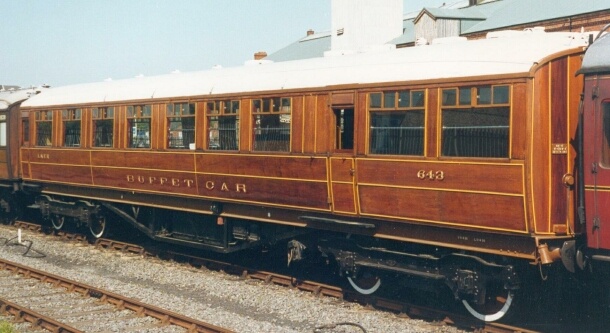
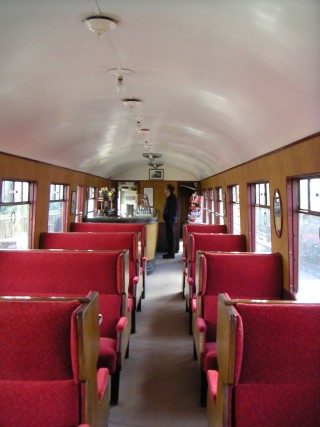

This York built vehicle was a development of the LNER's plywood bodied tourist stock buffets and followed
innovations incorporated in buffet car No. 2991 converted from a NER open third in 1932. It was one of six built for
fast five coach Liverpool Street-Cambridge services, and each car had a kitchen (with all-electric cooking equipment,
fridge and water boiler), plus a bar-counter and a saloon of four bays seating 24 passengers. These vehicles were
destined to be the longest lived of Gresley designs. After extensive modernisation from 1959 with propane gas
cooking, they survived in BR ownership until 1977 on Cambridge services and excursion trains. By that time they
were affectionately known as the 'wooden walls'. Even as modified they retained a single 4.5 kVA generator
powering the fans and a large fridge.
On transfer to the SVR in 1977 No.643 saw service until 1987, when it was withdrawn for restoration to original
condition. Just prior this withdrawal, the SVR's then available four LNER teak coaches were worked as a set for the
filming of 'Hannay'. Naturally, and almost inevitably, the film's producers failed to appreciate the historic significance
of this event and promptly had LBSCR stickers applied to all the vehicles!
Restoration was not a straightforward job. Extensive rot appeared as the coach dried out, and it took nearly six
months to make the vehicle dry enough to work on. Several areas of rotten frame had to be patched or replaced, as
did every bolt or steel tie in the body. Rot also meant that most of the exterior teak panels had to be replaced with
new teak. Additionally a new internal ceiling and a new bar counter were installed. So instead of a quick and
straightforward job, No.643 proved to be a major and costly task. But the result was to be a thoroughly overhauled
vehicle as a centrepiece to the SVR’s LNER set.
In service on a preserved line speeds are inadequate to revert to the original all-electric cooking concept. After
assessing the power requirements it was decided to fit a 10 kVA diesel generator to provide the power needed to
work the traditional grill, water boiler and fridge plus a freezer and microwave. Extra heaters were also needed for
washing up water and the legally required hand basin. The system had a frost-stat and allowed for detection of a low
water level in the roof tanks and for auto-starting to power the fridge and freezer overnight. Although No.643 was a
radically different vehicle in that form, it soon became famed for its hot snacks and draught ale; its bar services were
well received in service. In day-to-day service the generator system proved troublesome, and eventually SVR(H)
decided to replace it with the standard gas system used on all the other SVR buffet cars. So 643’s buffet service has
unfortunately lost its distinctive features and is now no different from the rest.
As part of the original restoration the SVR acquired a set of original LNER chromed buffet chairs. These were
obtained via the North Norfolk Railway and the National Railway Museum from the York Railway Institute, where they
had been in use after withdrawal from buffet cars in process of modernisation. But in daily use these proved
unpopular for today's passengers and these free-standing seats have been replaced by surplus BR Mark 1 seating,
retaining the generously proportioned 2+1 arrangement. Eventually it is intended to give 'Gresley feel' their
appearance when re-upholstery becomes due. The LNER chromed chairs eventually found a new home on another
preserved railway.
SVR Holdings Company transferred its two Gresleys, 643 & 43612, to the SVR Charitable Trust on mutually
acceptable terms in 2016.
See Also Carriage Survey Entry for 643.
innovations incorporated in buffet car No. 2991 converted from a NER open third in 1932. It was one of six built for
fast five coach Liverpool Street-Cambridge services, and each car had a kitchen (with all-electric cooking equipment,
fridge and water boiler), plus a bar-counter and a saloon of four bays seating 24 passengers. These vehicles were
destined to be the longest lived of Gresley designs. After extensive modernisation from 1959 with propane gas
cooking, they survived in BR ownership until 1977 on Cambridge services and excursion trains. By that time they
were affectionately known as the 'wooden walls'. Even as modified they retained a single 4.5 kVA generator
powering the fans and a large fridge.
On transfer to the SVR in 1977 No.643 saw service until 1987, when it was withdrawn for restoration to original
condition. Just prior this withdrawal, the SVR's then available four LNER teak coaches were worked as a set for the
filming of 'Hannay'. Naturally, and almost inevitably, the film's producers failed to appreciate the historic significance
of this event and promptly had LBSCR stickers applied to all the vehicles!
Restoration was not a straightforward job. Extensive rot appeared as the coach dried out, and it took nearly six
months to make the vehicle dry enough to work on. Several areas of rotten frame had to be patched or replaced, as
did every bolt or steel tie in the body. Rot also meant that most of the exterior teak panels had to be replaced with
new teak. Additionally a new internal ceiling and a new bar counter were installed. So instead of a quick and
straightforward job, No.643 proved to be a major and costly task. But the result was to be a thoroughly overhauled
vehicle as a centrepiece to the SVR’s LNER set.
In service on a preserved line speeds are inadequate to revert to the original all-electric cooking concept. After
assessing the power requirements it was decided to fit a 10 kVA diesel generator to provide the power needed to
work the traditional grill, water boiler and fridge plus a freezer and microwave. Extra heaters were also needed for
washing up water and the legally required hand basin. The system had a frost-stat and allowed for detection of a low
water level in the roof tanks and for auto-starting to power the fridge and freezer overnight. Although No.643 was a
radically different vehicle in that form, it soon became famed for its hot snacks and draught ale; its bar services were
well received in service. In day-to-day service the generator system proved troublesome, and eventually SVR(H)
decided to replace it with the standard gas system used on all the other SVR buffet cars. So 643’s buffet service has
unfortunately lost its distinctive features and is now no different from the rest.
As part of the original restoration the SVR acquired a set of original LNER chromed buffet chairs. These were
obtained via the North Norfolk Railway and the National Railway Museum from the York Railway Institute, where they
had been in use after withdrawal from buffet cars in process of modernisation. But in daily use these proved
unpopular for today's passengers and these free-standing seats have been replaced by surplus BR Mark 1 seating,
retaining the generously proportioned 2+1 arrangement. Eventually it is intended to give 'Gresley feel' their
appearance when re-upholstery becomes due. The LNER chromed chairs eventually found a new home on another
preserved railway.
SVR Holdings Company transferred its two Gresleys, 643 & 43612, to the SVR Charitable Trust on mutually
acceptable terms in 2016.
See Also Carriage Survey Entry for 643.
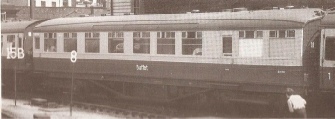
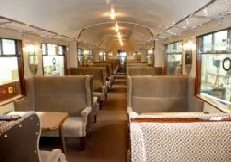
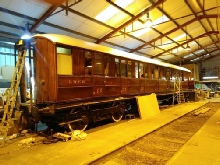
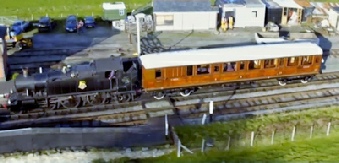
4229 at Pentrefelin 2018
Credited to Channel 4
| Latest Site Updates |
| News Letters |
| GWR Toad 17410 |
| LNER 70759 24506 |
| LNER 70442 |
| LNER 2013 -2017 OVERHAULS |
| GNR 2701 |
| GWR 1145 |
| General Items |
| GWR Toad 17410 Progress 2016 |
| GWR Toad 17410 Progress 2017 |
| Boston Yard Lift |
| Armchair Member |
| Videos |